
Amla Powder for Hair: Benefits, Hair Growth and How to Use It
By THENVANAM Editorial ·
In short
Amla powder is dried, ground Indian gooseberry (Phyllanthus emblica, nellikai in Tamil). It has been used for generations in hair packs and hair washes, usually mixed with water and often paired with hibiscus or shikakai. People who use it describe hair that feels cleaner and less slick. There is no reliable evidence that applying amla makes hair grow faster or stops hair fall, so treat it as a traditional hair-care ingredient, not a treatment.
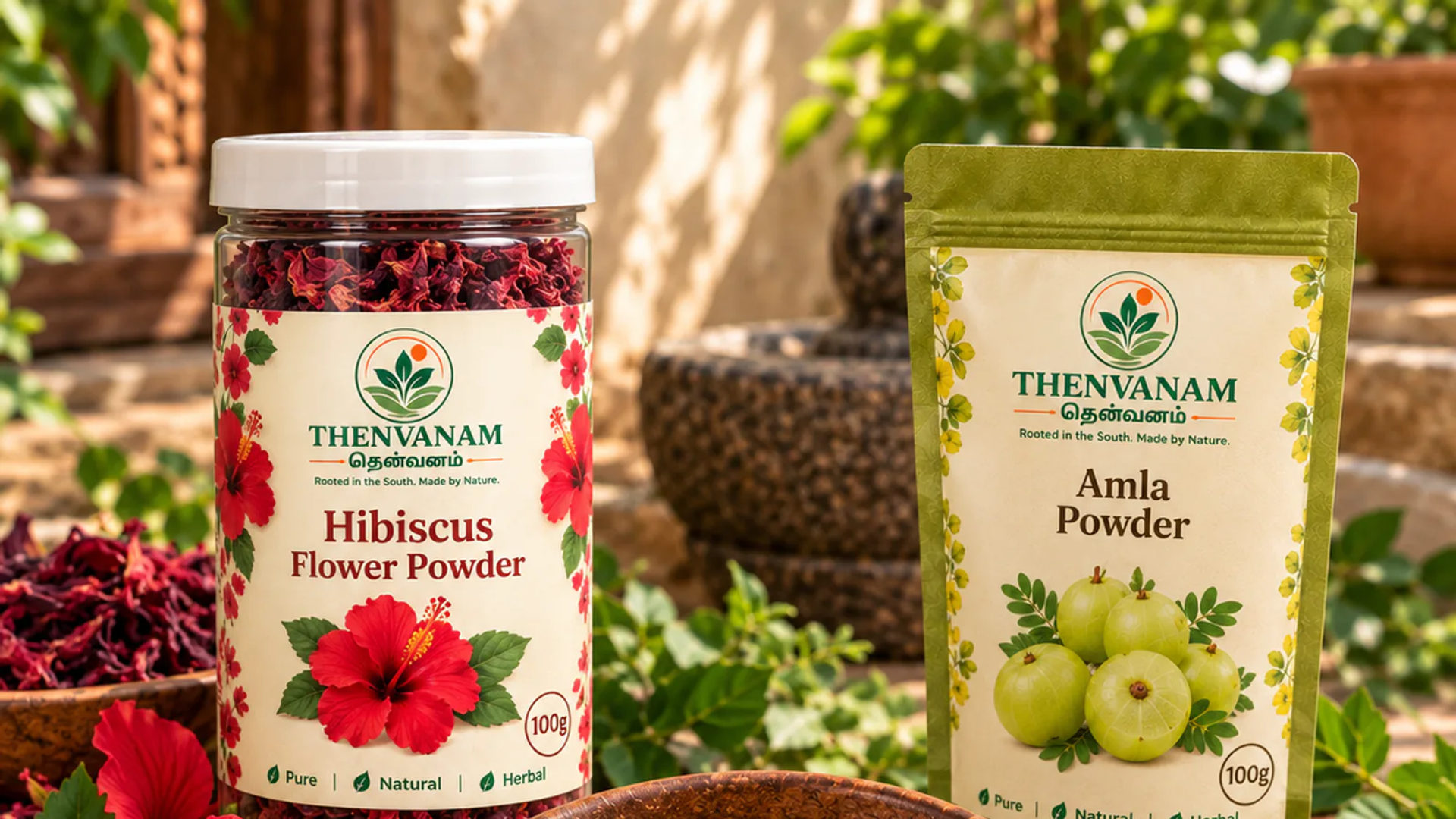
What amla powder is
Amla powder is the dried fruit of Phyllanthus emblica, milled to a fine, light-brown powder. In English the fruit is called the Indian gooseberry, which is why you will also see it sold as gooseberry powder or Indian gooseberry powder. In Tamil it is nellikai.
Despite the name, amla is not related to the soft European gooseberry. It is a firm, sour, strongly astringent fruit, and that astringency is a large part of how it feels on hair.
Why amla is used on hair
Amla has a long place in Indian hair care. It is mixed into hair packs, added to the powder blend for a traditional hair wash, and infused into oil. In South Indian homes it most often sits alongside hibiscus (sembaruthi) for packs and alongside shikakai and reetha for washing.
What people usually describe after an amla pack is a change in feel: hair that seems cleaner, less slick and with a little more grip. Some find it slightly drying on its own, which is one reason it is so often paired with hibiscus or mixed with aloe vera gel.
Does amla powder help hair growth?
This is the question most people search for, so here is the honest answer. Amla is traditionally associated with healthy hair, and there is laboratory research on amla extracts. But there is no reliable evidence that applying amla powder to the scalp makes hair grow faster, makes it thicker or stops hair fall.
How fast hair grows and how much of it you keep depend mainly on genetics, hormones, overall health, diet and stress. A hair pack cannot change those. If you are losing hair suddenly, in patches or in large amounts, see a dermatologist, because the cause is worth finding.
What amla can do is be part of a simple, gentle hair-care routine with a single-ingredient powder you can check. That is how we describe it, and it is what the traditional practice is built on.
Amla powder, dry amla, amla oil: what is the difference?
These are different preparations of the same fruit, and they are used in different ways.
- Amla powder: dried fruit milled fine. Mixed with water or a base and applied as a pack or added to a hair-wash blend.
- Dry amla pieces: dried, sliced fruit. Traditionally soaked or boiled, and the water or softened pieces used; also eaten as a mouth freshener.
- Amla hair oil: a carrier oil, usually coconut or sesame, in which amla has been heated or infused. Not the same as powder.
- Fresh amla: the whole fruit, eaten or juiced. Rarely applied to hair directly.
How to use amla powder on hair
The basic method is simple. Mix about two tablespoons of powder for shoulder-length hair with water or aloe vera gel into a smooth, thick paste. Apply it to the scalp and lengths section by section, leave it for around 15 to 30 minutes, and rinse thoroughly before it dries hard. Mix it fresh each time; the paste does not keep. Our step-by-step amla guide covers consistency, timing and rinsing in full.
- Amla on its own: the simplest pack, and the best way to learn how the powder behaves.
- Amla and hibiscus: equal parts, the most common combination for a hair pack.
- Amla, shikakai and reetha: added to a traditional powder hair wash. Reetha provides the foam.
- Amla and bhringraj: bhringraj usually added in a smaller proportion.
Before you start
Patch test any new powder on a small area of skin and wait before applying it more widely. Keep the paste away from your eyes, and stop if your scalp becomes irritated.
Amla is strongly coloured. It can mark light towels, bathroom grout and pale clothing, so use an old dark towel around your shoulders. If your hair is very light, bleached or grey, try the pack on a small hidden strand first to check that it does not affect the tone.
Key takeaways
- Amla powder is dried Indian gooseberry (nellikai), also sold as gooseberry powder.
- It is a traditional hair-pack and hair-wash ingredient, often paired with hibiscus, shikakai or reetha.
- There is no reliable evidence that applying amla makes hair grow faster or stops hair fall.
- Mix about two tablespoons with water or aloe vera gel, leave for 15–30 minutes and rinse thoroughly.
- Patch test first, avoid the eyes, and strand test on very light or grey hair.
Frequently asked questions
What are the benefits of amla powder for hair?
Amla has long been used in Indian hair care, in packs, washes and oils. People who use it typically describe hair that feels cleaner and less slick. THENVANAM does not make health or hair-growth claims for amla; we describe how it is traditionally used.
Does amla powder make hair grow faster?
There is no reliable evidence that applying amla powder makes hair grow faster or thicker. Hair growth depends mainly on genetics, hormones, overall health and diet. If you are losing hair suddenly or in patches, see a dermatologist.
Is gooseberry powder the same as amla powder?
Yes, when it is labelled Indian gooseberry. Amla is Phyllanthus emblica, the Indian gooseberry. It is unrelated to the European gooseberry, which is not used in hair care.
How often can I use an amla hair pack?
Many people use one once a week. If your hair feels dry afterwards, use it less often or mix it with aloe vera gel or hibiscus.
Can I mix amla powder with shikakai and reetha?
Yes. Amla, shikakai and reetha together is a classic traditional hair-wash blend. Reetha is the one that lathers. Patch test each powder separately first.
Will amla powder darken or colour my hair?
Amla is strongly coloured and can stain towels and grout. On very light, bleached or grey hair, test on a small hidden strand first to see how it affects the tone.
Should I apply amla powder before or after washing my hair?
Either is common. Many people apply the pack before washing and rinse it out first; others apply it to damp, freshly washed hair. Rinse thoroughly either way.
What this page is based on
Botanical nomenclature and regional plant names — THENVANAM Editorial
Botanical names are given in the accepted binomial form; Tamil and other regional names are recorded as they are used in South Indian households.
Documented South Indian household practice — THENVANAM Editorial
Descriptions of traditional use record how an ingredient has customarily been prepared and used. They are not statements of clinical effect and should not be read as health advice.
THENVANAM product specification — THENVANAM Sourcing
Composition, net quantity, SKU and usage guidance are taken from the current product specification for each pack.
About the author
THENVANAM Editorial · Product and content team
The THENVANAM editorial team documents what each botanical is, which part of the plant is used, and how it has traditionally been prepared in South Indian households. We describe traditional practice and product composition — we do not offer medical advice.
Shop the powders

Wellness
Amla Powder
Single ingredientNo fillers or blendsShips in 7 days
Finely ground amla fruit powder made from naturally dried Indian gooseberries.
100 g

Hair Care
Hibiscus Flower Powder
Single ingredientNo fillers or blendsShips in 7 days
Finely powdered hibiscus flowers traditionally used in natural hair and beauty routines.
100 g

Hair Care
Shikakai Powder
Single ingredientNo fillers or blendsShips in 7 days
Traditional shikakai pod powder for natural hair-care routines.
100 g
Related reading

How to Use Amla Powder: A Step-by-Step Hair Pack Guide
Mixing amla powder into a hair pack — which base to use, how thick to make it, how long to leave it and how to rinse it out cleanly. Plus a short note on kitchen use.
6 min read
Hibiscus and Amla Hair Pack
Sembaruthi and nellikai, the two powders most often mixed into a traditional hair pack, with aloe vera gel as the base.
3 min read
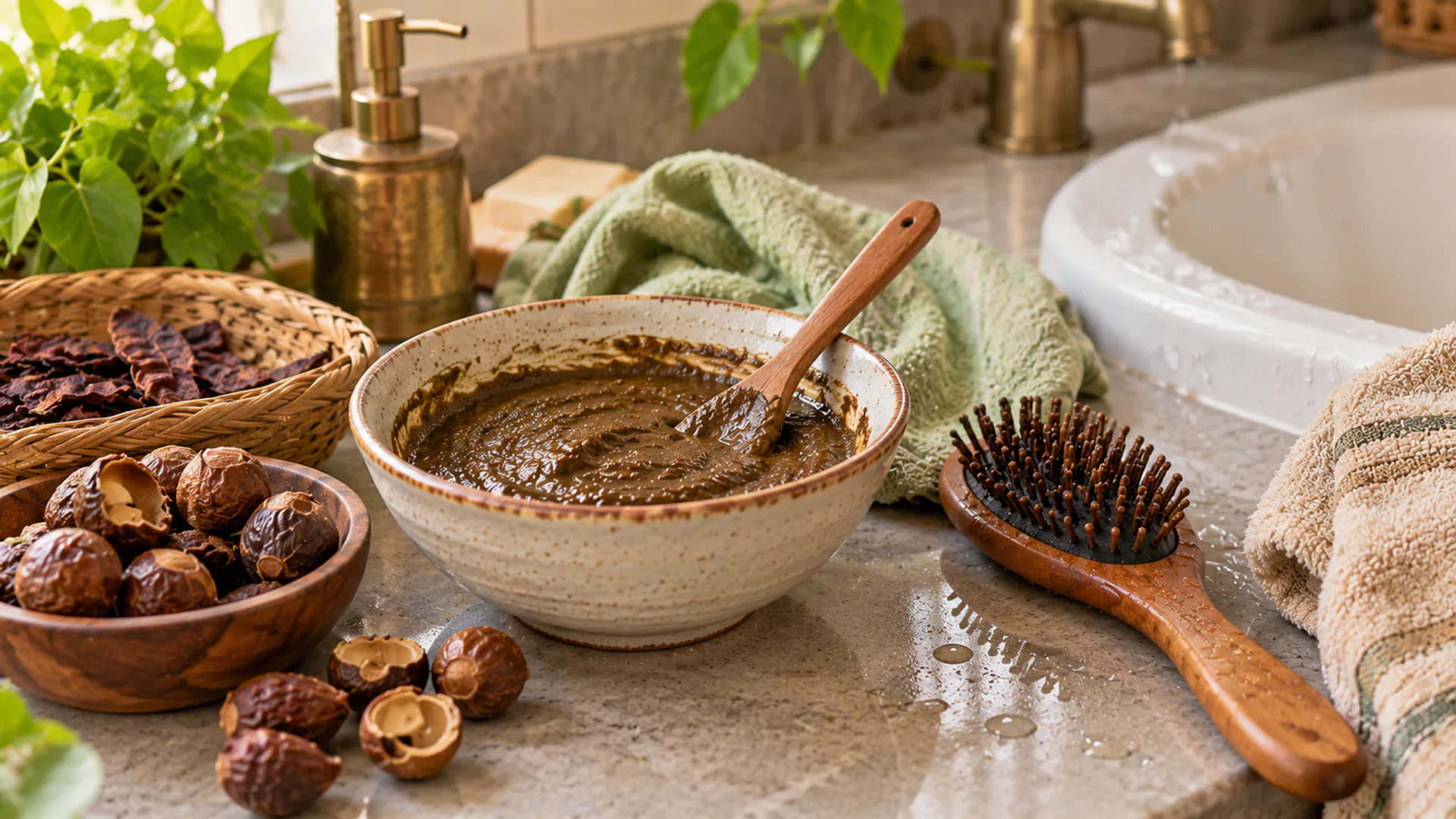
How to Wash Your Hair with Traditional Powders
A step-by-step walk through a traditional powder hair wash — how much to mix, how to apply it and how to rinse it out properly.
6 min read
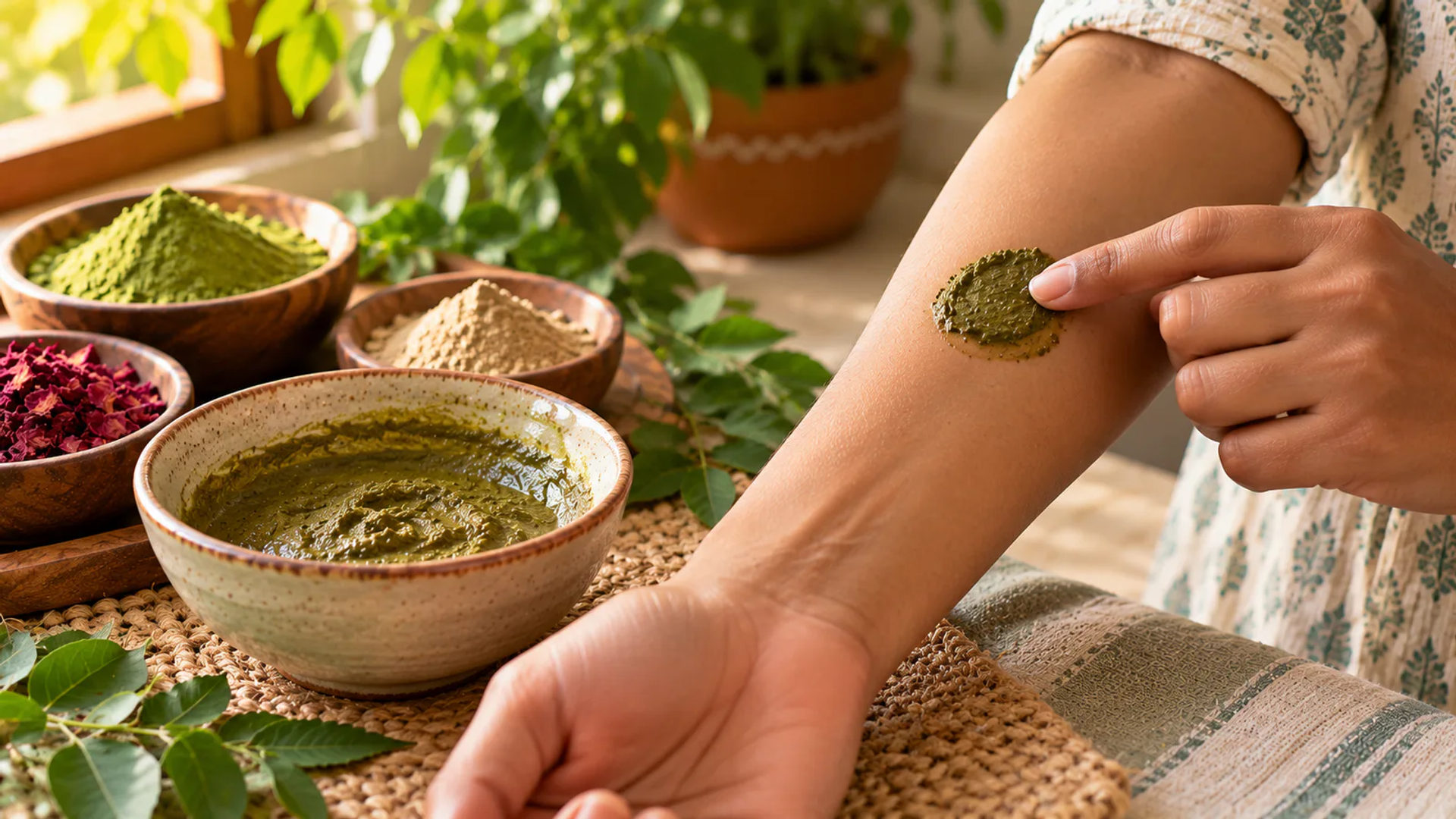
How to Patch Test a Botanical Powder
Four steps, done once per powder. The reason single-ingredient powders are worth buying is the same reason a patch test is straightforward.
4 min read