
Traditional South Indian Face Pack Ingredients: A Complete Guide
By Thenvanam Editorial ·
In short
A traditional South Indian face pack is a powder mixed with a liquid base. Common powders are neem, rose petal, tulasi, kasthuri manjal, kadalai maavu and pasi payaru maavu; common bases are water, rose water, curd, milk and aloe gel. Pick one powder and one base, mix fresh, and rinse before it dries completely.
Products in this article
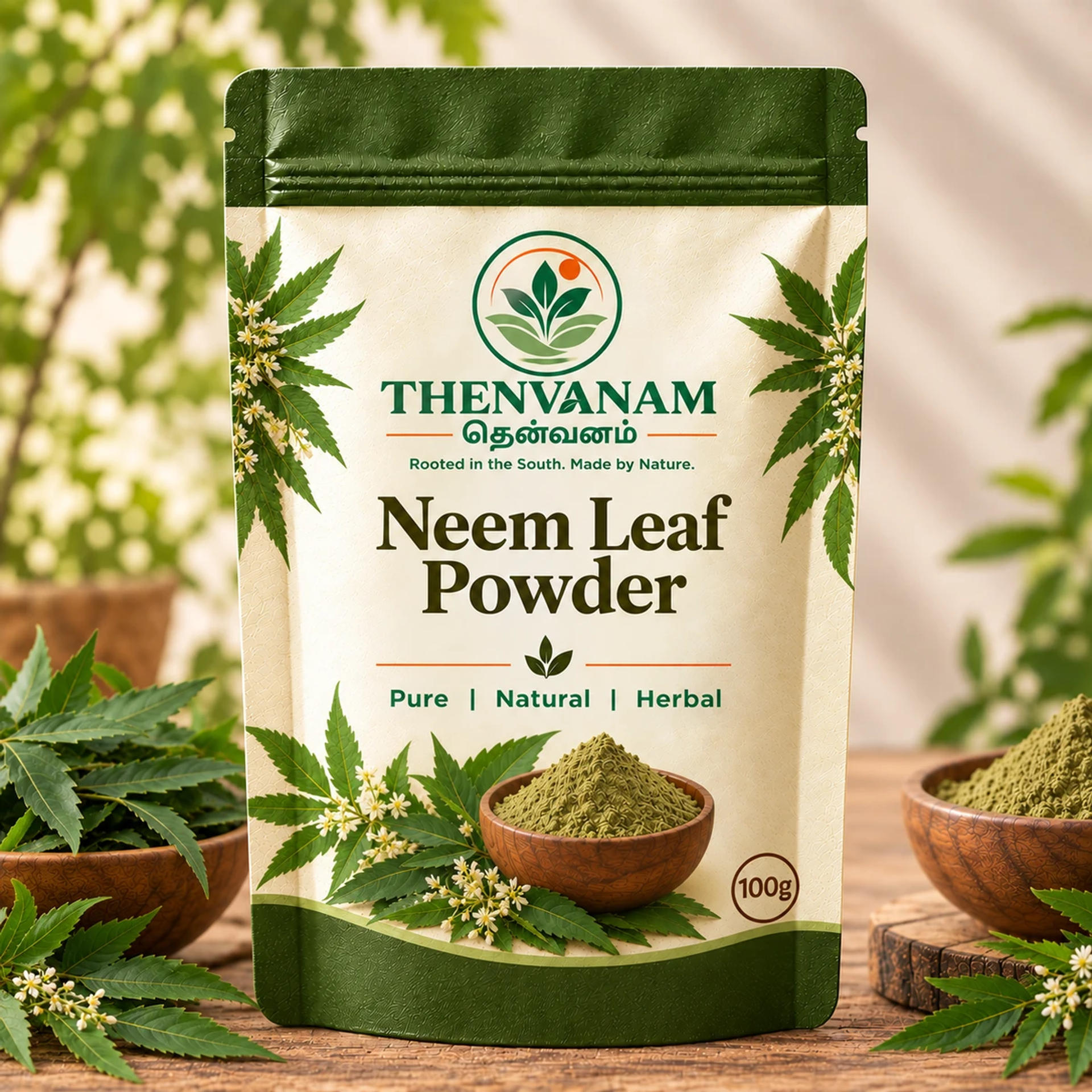 Neem Leaf Powder
₹119 · 100 g
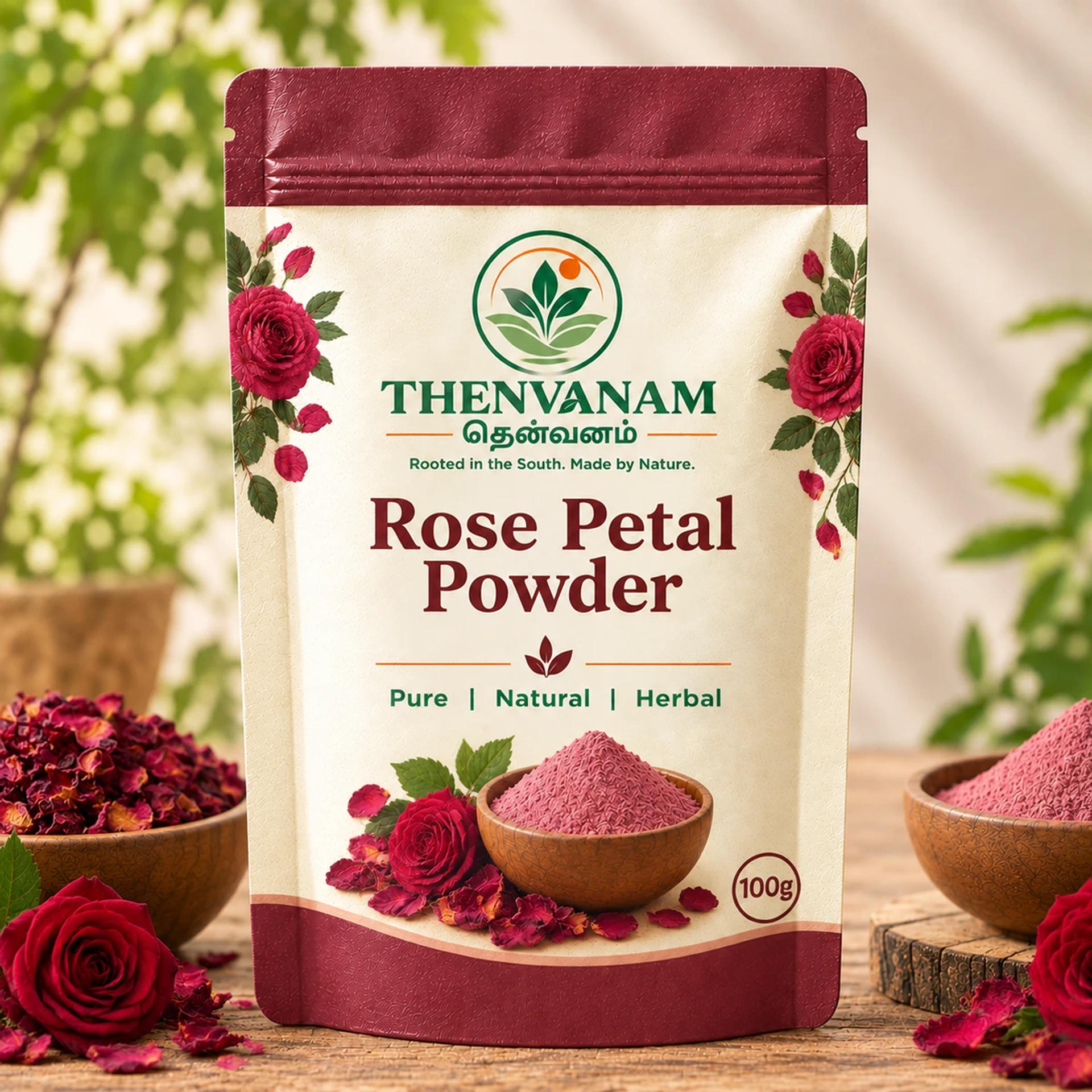 Rose Petal Powder
₹169 · 100 g
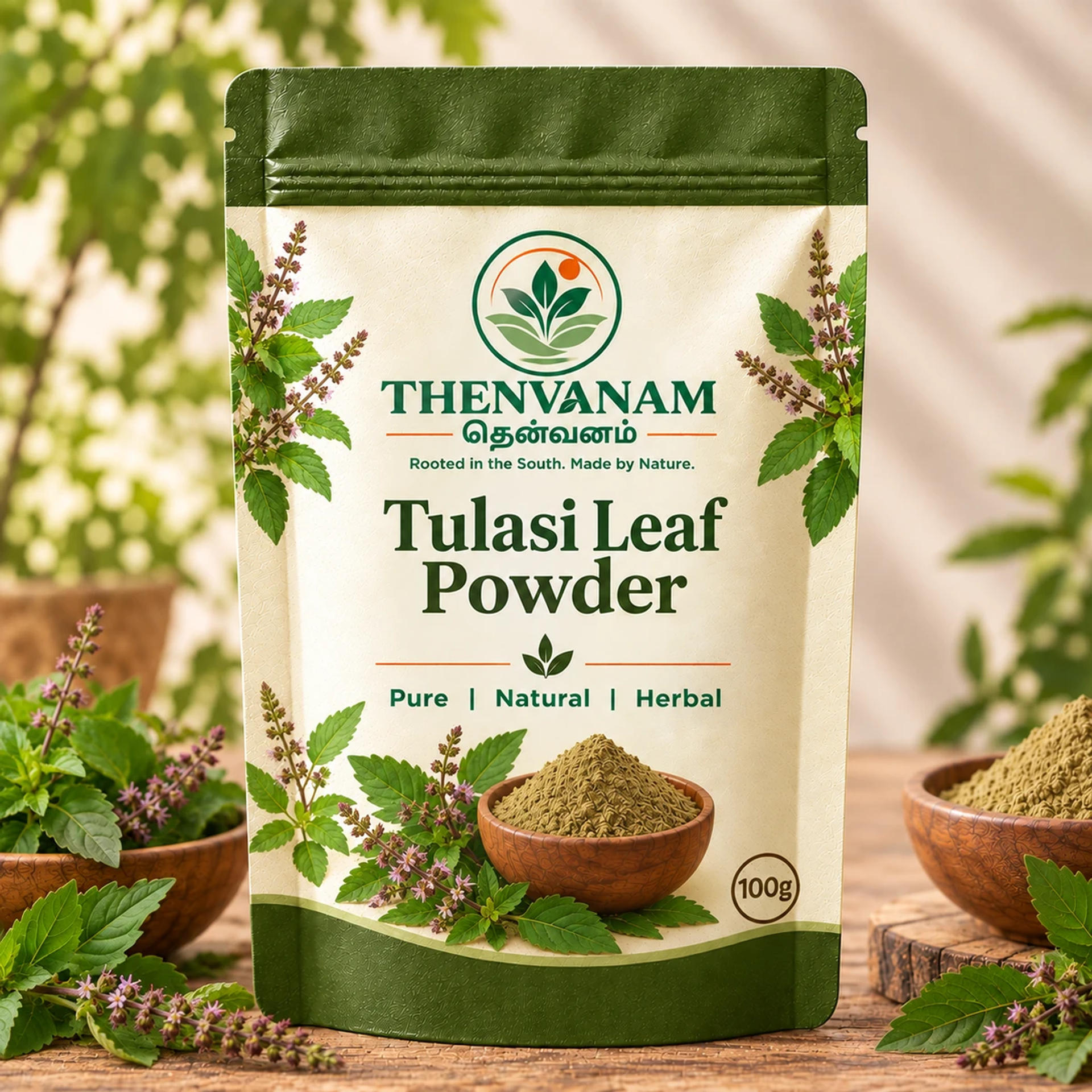 Tulasi Leaf Powder
₹129 · 100 g
- Single ingredient, nothing added
- Delivered across India in 7 days
- Free delivery over ₹999

How a traditional face pack is built
Every traditional pack is two things: a powder, which gives the pack its character, and a base, which turns it into a paste. Kitchens have always used what was at hand — gram flour from the dabba, curd from the morning, leaves from the garden.
The botanical powders
Thenvanam sells three of these as single-ingredient powders:
- Neem leaf powder (vembu): bitter, olive green, used for a sharp, clean-feeling pack.
- Rose petal powder (roja): mild and fragrant, used for a gentle pack.
- Tulasi leaf powder (thulasi): green and aromatic, usually mixed with another powder.
Kitchen staples used in packs
These come from the kitchen rather than the herb shelf:
- Kadalai maavu (gram flour): the most common pack base powder, gives body to any pack.
- Pasi payaru maavu (green gram flour): finer and softer than gram flour, traditionally used in place of soap.
- Kasthuri manjal (wild turmeric, Curcuma aromatica): the non-staining turmeric used on skin — not the cooking turmeric.
Choosing a base
Water keeps a pack simple and is right for testing a new powder. Rose water adds fragrance. Curd and milk make a softer, creamier pack. Aloe gel gives a smooth, cooling paste. Our article on face pack bases compares them in detail.
A simple first pack
To start:
- Mix 1 spoon of one powder with 1 to 1½ spoons of your base into a smooth paste.
- Apply a thin, even layer, avoiding the eyes and lips.
- Leave it for 10–15 minutes and rinse with plain water before it dries completely.
- Make it fresh each time; do not store mixed paste.
Avarampoo flowers
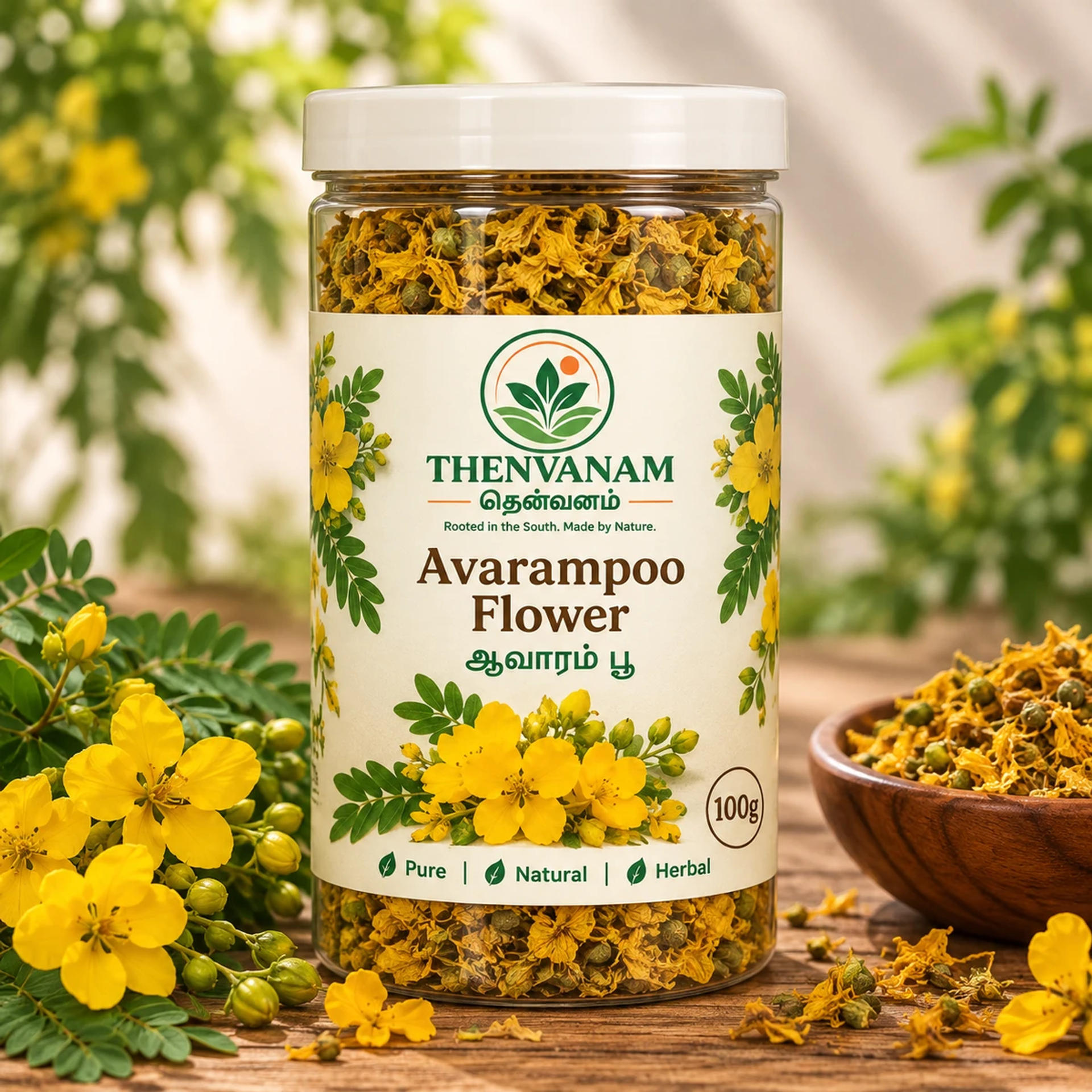
Avarampoo, the bright yellow flower of Senna auriculata, is used differently from the powders above. The dried flowers are boiled in water and strained, and the cooled avarampoo water is used to mix a pack — most often with gram flour, which thickens it into a paste that holds on the skin.
Boiling is the step that matters: grinding the dry flowers and stirring them straight into gram flour skips it. Our avarampoo guide gives the full method.
Whole flowers or ground powder
Leaves such as neem and tulasi, and rose petals, are sold ground because they go straight into a paste. Avarampoo is sold as whole dried flowers because it is boiled and strained first — and whole flowers let you see their colour and quality before you use them.
Patch testing and precautions
Before and while using any face pack:
- Patch test a new powder on the inner arm and wait a day before using it on your face.
- Keep packs away from the eyes and lips.
- Do not apply to broken, cut or irritated skin.
- Rinse off straight away if you feel stinging or discomfort.
Storing face pack ingredients
Keep dry powders and flowers in airtight containers, away from the bathroom, where steam gets in every time you open them. Use a dry spoon.
Mixed packs do not keep: anything made with curd, milk, aloe gel or avarampoo water should be used straight away and the rest thrown out. Vettiver, used in bath powders rather than face packs, is covered in our bath preparation.
Patch test any powder new to you on the inner arm the day before, and keep packs away from the eyes.
Key takeaways
- A face pack is one powder plus one base, mixed fresh.
- Neem, rose and tulasi powders sit alongside kitchen staples like gram flour.
- Kasthuri manjal, not cooking turmeric, is the turmeric used on skin.
Frequently asked questions
What is the best base for a face pack?
Start with water when you are trying a new powder, then try rose water, curd or aloe gel for a softer or more fragrant pack.
Can I use cooking turmeric in a face pack?
Traditionally, kasthuri manjal (wild turmeric) is used on skin because it does not stain the way cooking turmeric does.
How long should I leave a face pack on?
About 10–15 minutes. Rinse it off before it dries completely and starts to pull.
Can I mix a face pack and store it?
No. Mix only what you need and use it straight away, especially with curd, milk or aloe gel.
Can I use avarampoo in a face pack?
Yes. Traditionally the dried flowers are boiled and strained, and the cooled water is mixed with gram flour into a paste.
Can I store avarampoo water for later?
No. Make it fresh, let it cool, use it the same day and discard what is left.
What this page is based on
Botanical nomenclature and regional plant names — Thenvanam Editorial
Botanical names are given in the accepted binomial form; Tamil and other regional names are recorded as they are used in South Indian households.
Documented South Indian household practice — Thenvanam Editorial
Descriptions of traditional use record how an ingredient has customarily been prepared and used. They are not statements of clinical effect and should not be read as health advice.
How to test skin care products — American Academy of Dermatology
General skin-care testing guidance; not evidence that a homemade moringa preparation is effective or safe for everyone.
About the author
Thenvanam Editorial · Product and content team
The Thenvanam editorial team documents what each botanical is, which part of the plant is used, and how it has traditionally been prepared in South Indian households. We describe traditional practice and product composition — we do not offer medical advice.
Shop the products
Related reading
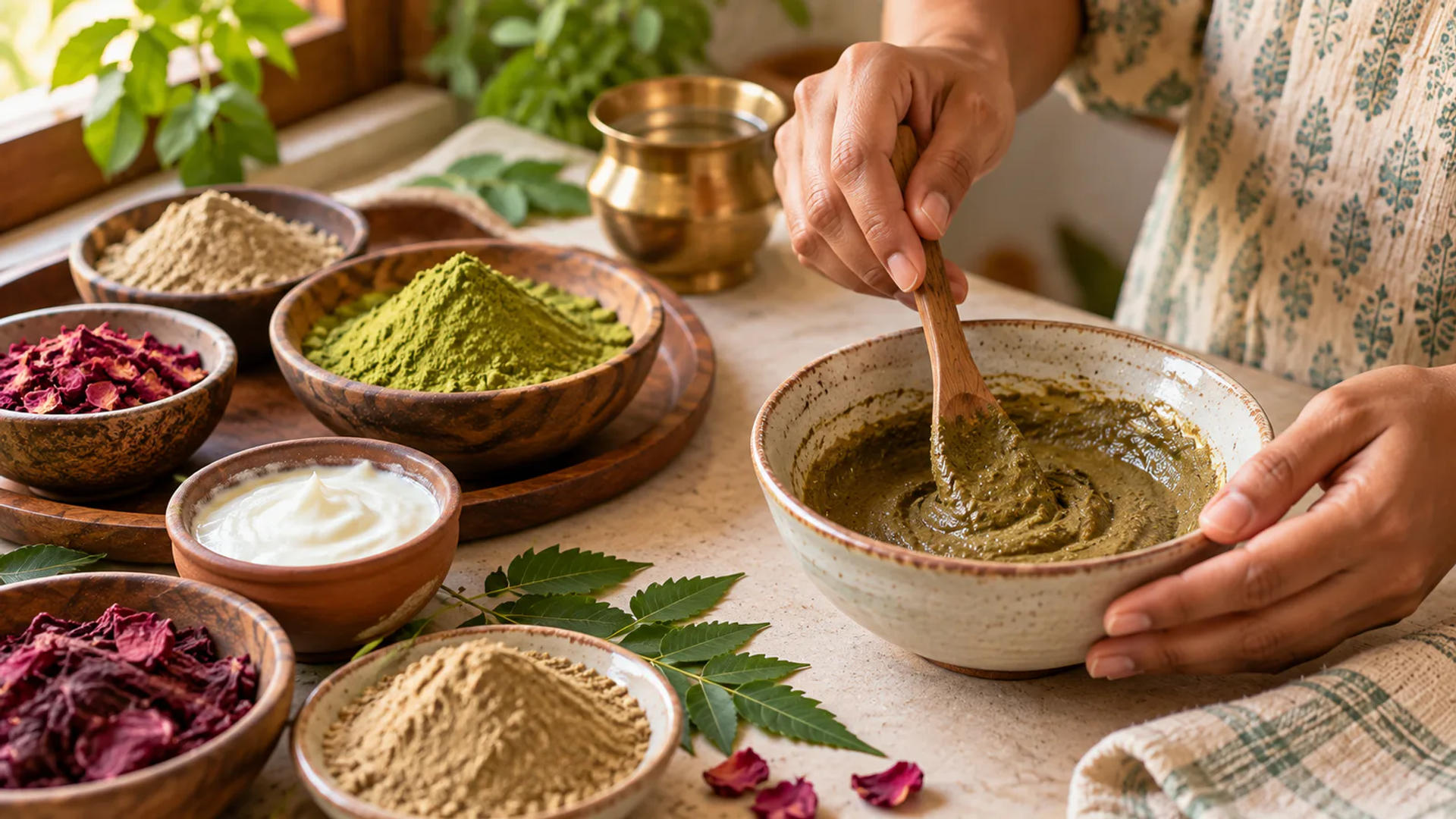
Making Your First Traditional Face Pack
Rose petal, a base and a patch test. The five steps that turn a jar of powder into a pack you can actually use.
5 min read
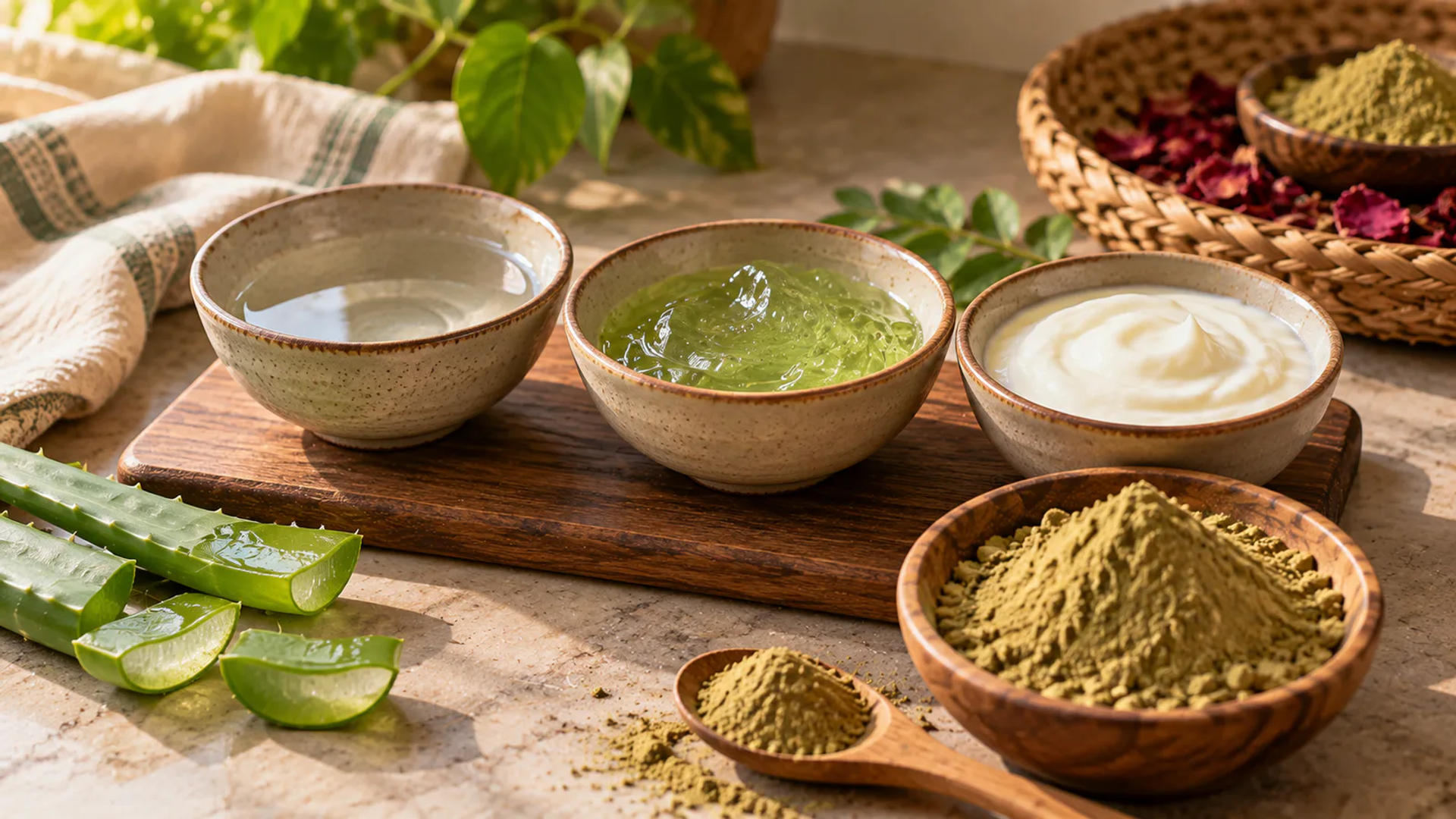
Choosing a Base for a Face Pack: Water, Aloe or Yogurt
Every traditional pack recipe ends the same way — "mix with a suitable natural base". Which base you choose changes the consistency, the drying time and how the pack comes off.
5 min read

Neem Powder vs Rose Petal Powder: How Their Uses Differ
Both go into traditional face packs, but they are very different powders. How neem and rose petal powder differ in smell, feel and use.
3 min read
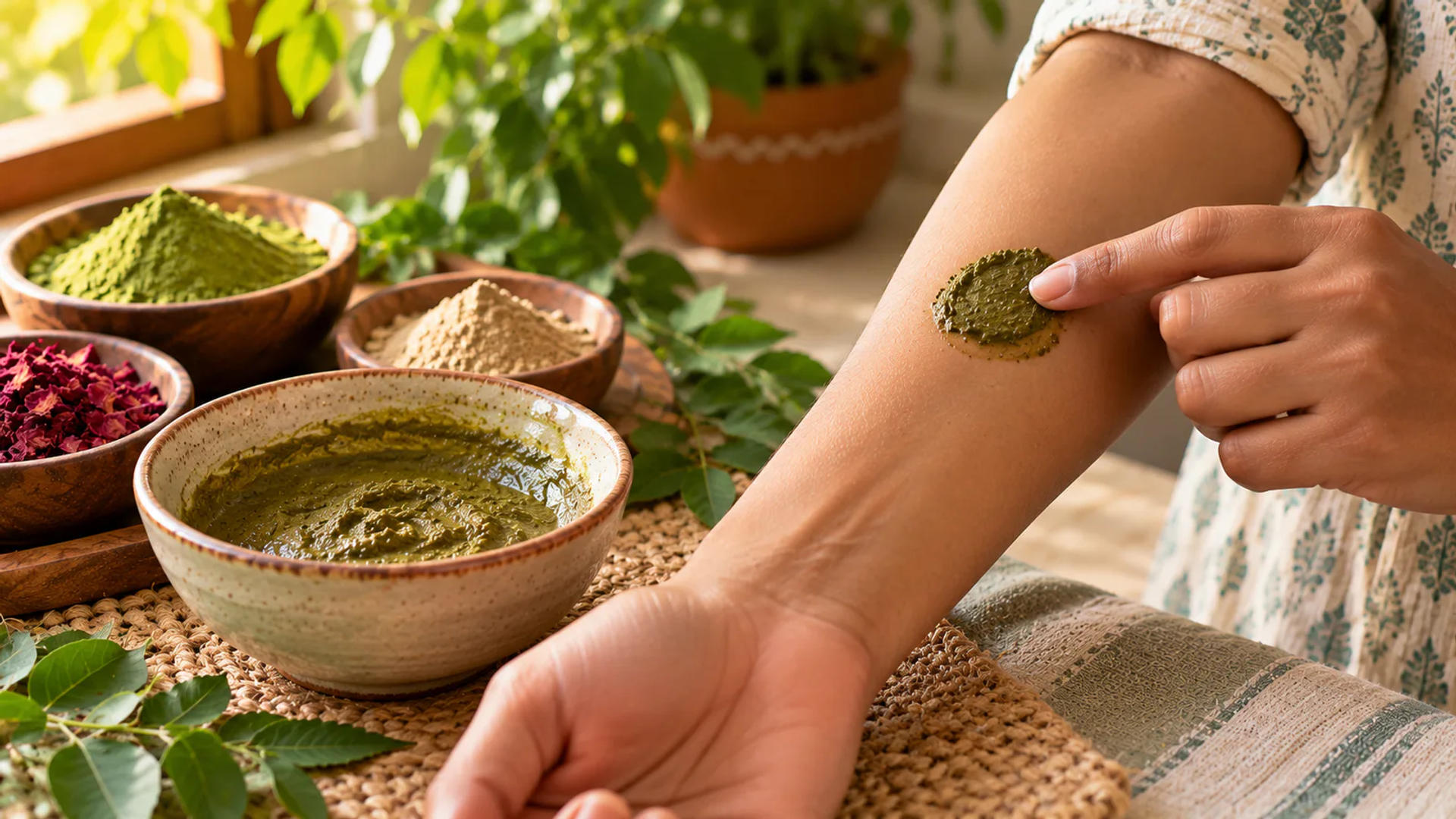
How to Patch Test a Botanical Powder
Four steps, done once per powder. The reason single-ingredient powders are worth buying is the same reason a patch test is straightforward.
4 min read

How to Use Avarampoo Flowers: Boil, Strain and Mix
Whole dried avarampoo is not stirred straight into a paste. How to boil the flowers, cool and strain the water, mix it with gram flour and rinse it off cleanly.
5 min read